
The Role of Fintechs in the Transformation of Financial Services in the USA
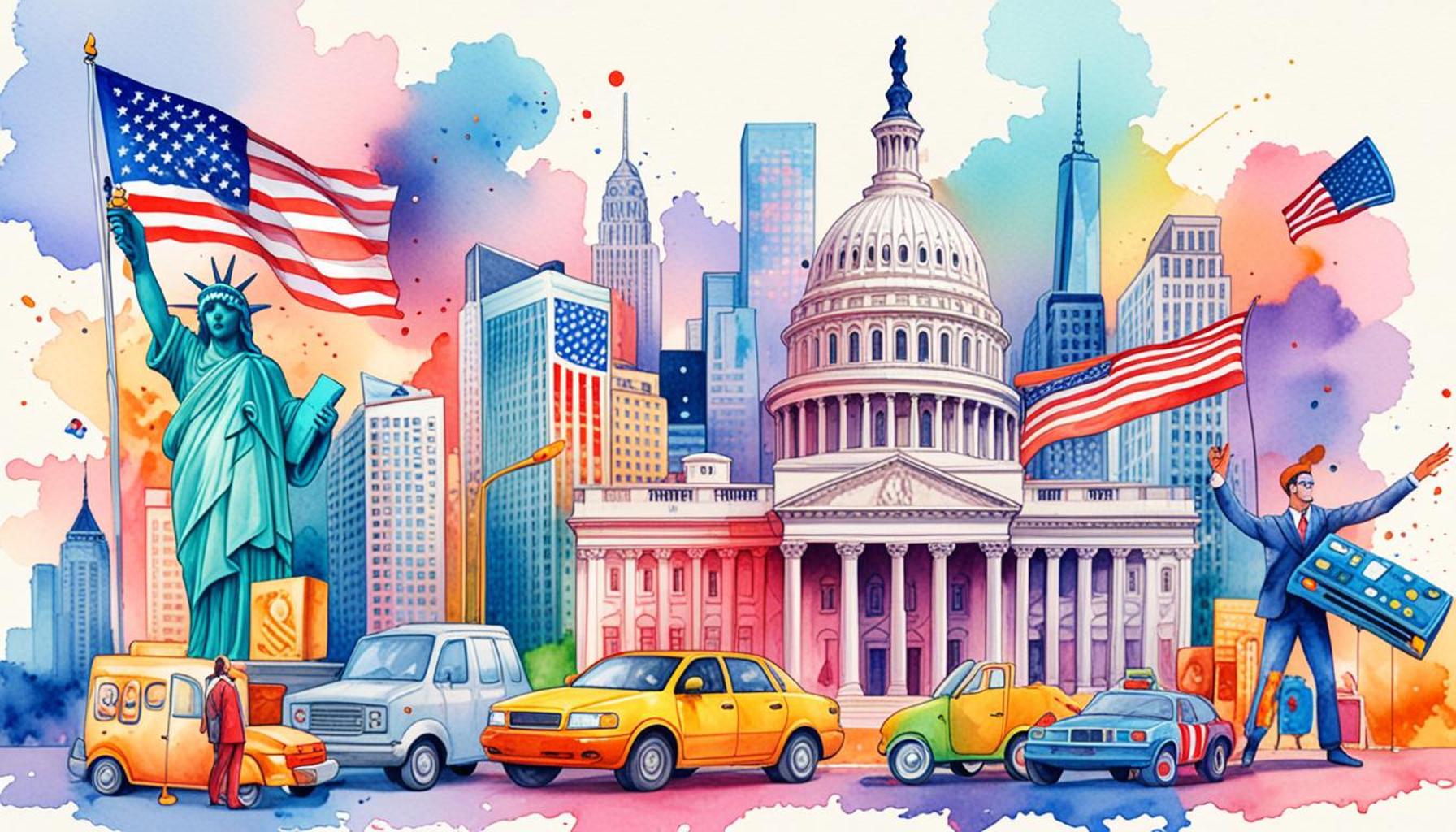
Understanding the Fintech Revolution
The financial landscape in the USA is undergoing a profound transformation, primarily fueled by the rise of fintech companies. These innovative businesses are revolutionizing how consumers interact with financial services and are reshaping traditional banking norms. The onset of digital wallets, blockchain technology, and online lending platforms has dramatically changed the way financial transactions are conducted in the United States.
Fintechs are characterized by their use of technology to deliver financial services, and they offer a variety of benefits that address long-standing inefficiencies in the banking sector. Among these advantages are:
- Enhanced Accessibility: Many fintech solutions provide access to financial services for underbanked populations. For instance, services like Chime and Ally operate without traditional branches, offering attractive banking services and accounts that cater to lower-income individuals and minorities who may have previously found it challenging to obtain banking services.
- Cost Efficiency: Lower operational costs enable fintechs to offer competitive pricing and fees. This is particularly evident in online loans and peer-to-peer lending platforms, such as LendingClub, which often have lower interest rates compared to conventional banks, permitting consumers to borrow money at more affordable rates.
- User-Friendly Interfaces: Simplified digital platforms enhance user experience and engagement. Companies like Robinhood have democratized investing with an intuitive app that allows users to buy and sell stocks without commission fees, making stock ownership accessible to a broader audience.
According to recent studies, a significant portion of the American population now prefers fintech services over traditional banks for everyday transactions. Notable examples shaping this shift include:
- Peer-to-Peer Payment Apps: Venmo and Cash App have streamlined person-to-person payments, allowing users to transfer funds with a simple tap of their finger, thus making splitting bills or sending money to friends easier than ever.
- Robo-Advisors: Platforms like Betterment and Wealthfront simplify investment for the average consumer. Unlike traditional financial advisors, these automated platforms use algorithms to manage portfolios, thus lowering fees and making investing more accessible to individuals who may not have significant capital to work with.
- Blockchain Technology: Cryptocurrencies and decentralized finance (DeFi) are challenging established banking practices. Bitcoin and Ethereum, for example, have gained mainstream recognition and offer alternatives to fiat currencies and traditional banking systems.
The implications of these changes are vast, posing both opportunities and challenges for consumers and traditional financial institutions alike. While fintechs offer improved access and lower costs, they also introduce new complexities, such as the need for increased digital literacy and the potential for cybersecurity threats.
Understanding the role of fintechs is crucial to navigating this evolving financial ecosystem. As the U.S. economy increasingly integrates these technologies, consumers should remain informed about the benefits and risks involved, prompting them to explore how fintech can enhance their financial well-being.
DISCOVER MORE: Click here to learn how to apply for the Power Cash Rewards Visa Signature Credit Card</
Transforming Consumer Experiences and Expectations
The emergence of fintechs has not only altered the mechanics of financial transactions but has also fundamentally shifted consumer expectations regarding the services they receive. As these agile companies continue to innovate, they are setting new benchmarks for customer satisfaction, convenience, and personalization within the financial services sector. The way consumers engage with money has been revolutionized, fostering a proactive approach to managing their finances.
One of the pivotal roles fintechs play is in the realm of real-time transaction processing. Traditional banks often require a certain timeframe to process payments or loan applications, leaving customers frustrated with delays. In contrast, fintechs like Stripe and Square are pushing the boundaries of speed, allowing consumers and businesses to complete transactions nearly instantaneously. A survey from PwC indicated that nearly 74% of consumers expect smooth and uninterrupted payment experiences, a demand that is pushing traditional banks to reevaluate their operational speed.
Moreover, the advent of personal finance management applications, such as Mint and YNAB (You Need a Budget), has empowered users to take charge of their budgeting and financial planning. These apps utilize sophisticated algorithms to analyze spending habits, suggest budgeting strategies, and even remind users of upcoming bills, thus promoting healthier financial behaviors. This trend towards personalized budgeting is particularly significant for younger generations, who are increasingly looking for tools that fit their lifestyles and provide actionable insights.
- Data Analytics: Fintechs harness vast amounts of personal data to tailor their services to individual customer needs. For instance, apps like Acorns automatically invest spare change from daily transactions, demonstrating a smart use of financial technology that captures the attention of novice investors.
- Credit Assessment Innovations: Companies such as Upstart and Zopa utilize alternative data to assess creditworthiness, enabling individuals with limited credit histories to access loans. This sophisticated assessment process helps build financial inclusion while also reducing risk for lenders.
- Continuous Learning: Fintech platforms are not static; they continuously adapt based on user feedback and usage patterns, thus fostering an environment of constant improvement that traditional banks often struggle to replicate.
Furthermore, the focus on financial literacy is becoming a hallmark of fintech services. Many platforms, such as SoFi and NerdWallet, prioritize education, equipping users with the knowledge they need to make informed financial decisions. This focus on empowerment contrasts sharply with the historical tendency of financial institutions to maintain a barrier of complexity that often discourages consumer engagement.
As fintechs continue to expand their influence, the financial services landscape will increasingly pivot towards a model characterized by transparency, educational resources, and personalized experiences. Traditional banks will either need to adapt and embrace these changes or risk losing ground in an environment that favors innovation and accessibility. Striking the right balance between tradition and modernity will be key as the lines between fintech and traditional banking continue to blur.
DISCOVER MORE: Click here for a step-by-step guide
Driving Innovation and Competition
As fintechs continue to challenge and reshape the financial services landscape, their influence extends far beyond consumer expectations; they are also catalyzing a wave of innovation and competition that compels traditional banks to evolve. The rise of fintech companies has intensified the competition within the financial services market, compelling established institutions to rethink their strategies and accelerate digital transformation to retain their customer base.
One significant area where fintechs are making an impact is in the development of alternative financing solutions. Companies like Kabbage and LendingClub have revolutionized the way small businesses access capital by offering alternative lending products that are often more accessible and faster to secure than traditional bank loans. By utilizing technology-driven approaches, these platforms facilitate real-time loan approvals based on data drawn from various sources, thereby bypassing the cumbersome processes typical of traditional banking. According to a report by the Federal Reserve, 20% of small businesses fail to get the funding they need from banks, a gap that fintechs are successfully filling with quick and streamlined options.
Additionally, the emergence of blockchain technology and cryptocurrencies has challenged the traditional banking system and introduced new models for transaction and record-keeping. Firms like Ripple and Coinbase are leveraging blockchain to offer faster cross-border payments and enhance security. These innovations prompt banks to explore partnerships and possibly even adopt similar technologies to keep pace with shifting consumer preferences towards transparency and efficiency. The market for blockchain in the banking sector is projected to exceed $1 billion by 2025, illustrating the growing importance of this technology in transforming financial operations.
- Insurtech’s Rise: Fintechs are also venturing into the world of insurance through insurtech, offering tailored insurance solutions based on real-time data. Companies like Lemonade employ artificial intelligence to streamline claims processing, making insurance more accessible and transparent for consumers.
- Robo-Advisors: Platforms such as Betterment and Wealthfront provide automated investment advice, democratizing wealth management. With low fees and minimal amounts required to start investing, these services broaden access to affluent investment strategies that were once the province of high-net-worth individuals.
- Open Banking: Fintechs are paving the way for open banking initiatives that enhance customer choice and competition. By allowing third-party developers to build applications around a bank’s services, open banking fosters a collaborative ecosystem that delivers greater value to consumers.
As competition intensifies, partnerships between fintechs and traditional banks are becoming increasingly common. The collaboration allows banks to leverage the innovative technologies of fintechs while maintaining their established customer base. Some institutions have turned to innovation labs and accelerator programs that incubate fintech start-ups, creating a symbiotic relationship that drives forward-thinking solutions. According to Accenture, over 75% of banks are collaborating with fintech companies, signaling an acknowledgment of the significance of innovation in staying competitive.
Furthermore, regulatory bodies have begun to recognize the importance of fintechs in fostering competition and enhancing consumer choice. The Consumer Financial Protection Bureau (CFPB) has initiated measures to encourage digital innovation while ensuring consumer protection. This evolving regulatory landscape seeks to balance the encouragement of fintech development with the necessity of maintaining consumer confidence in the broader financial system.
The financial landscape in the USA is undeniably in a state of transformation due to the pervasive influence of fintechs. As these companies continue to innovate, they not only redefine consumer experiences but also challenge the traditional financial framework. The ongoing interplay between fintechs, traditional banking institutions, and regulators will ultimately determine the trajectory of financial services in the years to come, paving the way for a more inclusive, efficient, and consumer-focused financial ecosystem.
LEARN MORE: Click here for a step-by-step guide
Looking Ahead: The Future of Financial Services
As we examine the transformative impact of fintechs on the financial services landscape in the USA, it is clear that these innovations are not merely trends, but pivotal shifts that will continue to shape the industry. The convergence of technology with finance has democratized access, enabling a broader segment of the population to engage with financial services in unprecedented ways. With platforms offering everything from immediate loans to automated investment strategies, the traditional banking model is evolving to cater to a more tech-savvy consumer base.
The collaboration between fintechs and established banks signals a promising future where innovation and tradition coexist. As fintech companies introduce new technologies and services, they challenge incumbents to enhance their offerings, thus fostering a culture of continuous improvement. According to a recent Deloitte survey, over 80% of financial leaders believe that integrating fintech innovations enhances their competitive edge. This symbiotic relationship is crucial as the market navigates the complexities of consumer demand and regulatory requirements.
Furthermore, with the rise of data analytics and the push towards open banking, consumers can expect more personalized and efficient financial products tailored to their unique needs. Regulatory bodies will play a crucial role in shaping a framework that fosters innovation while safeguarding consumer interests. As we move forward, it is essential for stakeholders, including consumers, banks, and fintechs, to engage in conversations about responsible innovation, ethical standards, and privacy concerns.
In conclusion, the role of fintechs in the USA’s financial services transformation is profound and multifaceted. By continuing to embrace change and focus on the evolving needs of consumers, the financial ecosystem is on the cusp of an exciting new chapter, one that promises to be more inclusive, accessible, and ultimately beneficial for all. The journey ahead will require adaptability, collaboration, and a shared commitment to leveraging technology for greater financial well-being.
Related posts:
Retirement Planning: Tips to Maximize Your 401(k)
Sustainable Investments: The Future of the Green Economy in the USA
Financial Planning for Retirement: Tips for Every Stage of Life
The Impact of Inflation on the American Middle Class
The Importance of Financial Education for Young Adults
How to Create an Efficient Family Budget in Times of Crisis

Linda Carter is a writer and financial expert specializing in personal finance and financial planning. With extensive experience helping individuals achieve financial stability and make informed decisions, Linda shares her knowledge on the Virtual Tech Dicas platform. Her goal is to empower readers with practical advice and strategies for financial success.