
The Role of Blockchain in Transparency and Security of Financial Transactions
The Evolving Financial Landscape
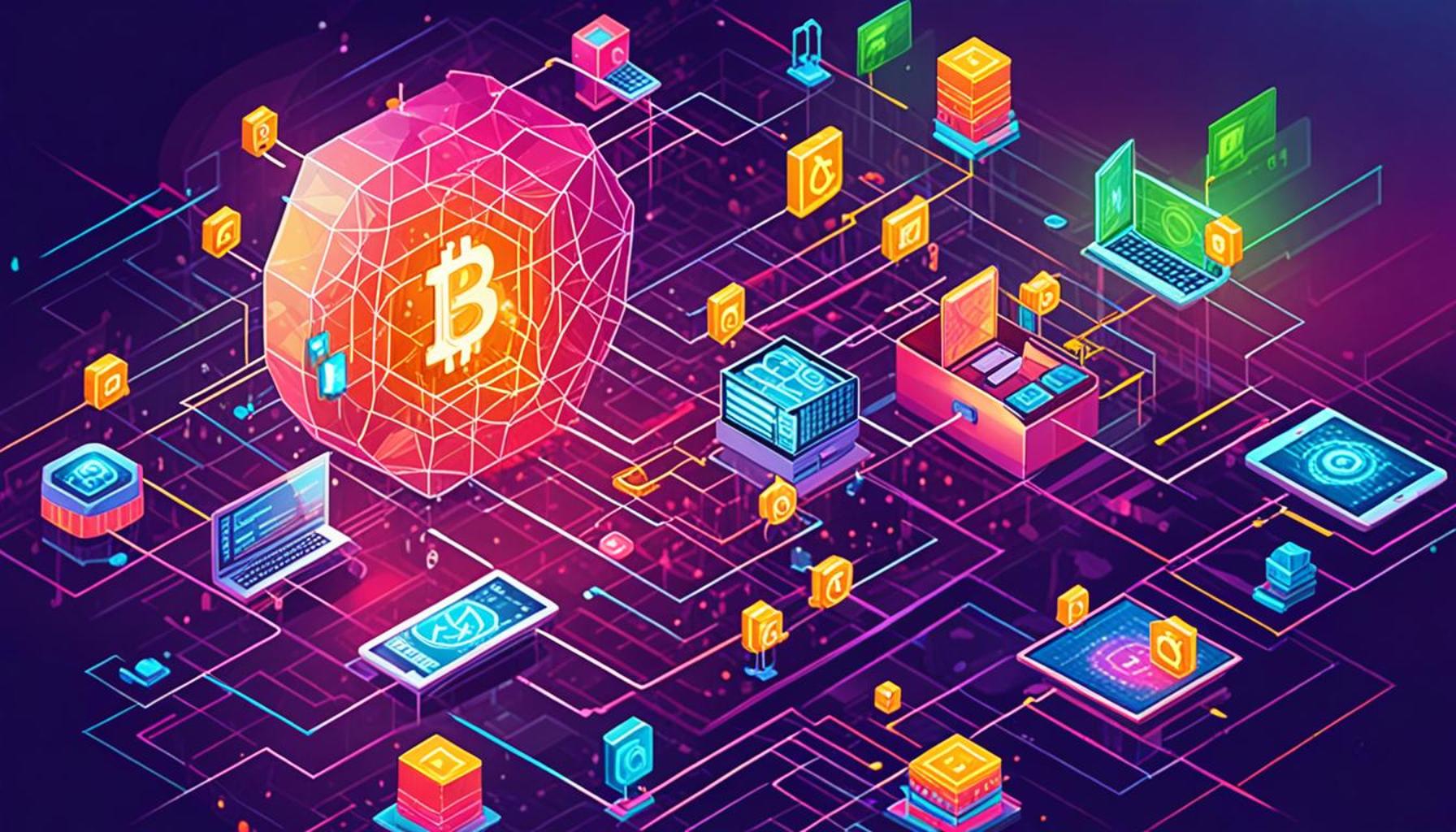
The rapid evolution of the financial landscape is largely driven by technological advancements. Among these innovations, blockchain technology has garnered significant attention for its transformative potential in enhancing transparency and security in transactions. As both financial institutions and everyday individuals increasingly seek to promote trust in their financial dealings, understanding blockchain technology becomes an essential endeavor.
What is Blockchain?
At its core, blockchain is a decentralized digital ledger that records transactions across multiple computers. This decentralized nature provides several key features that set it apart from traditional financial transaction methods:
- Immutability: Once recorded, transaction data cannot be altered or deleted without consensus from the network. This characteristic is crucial for building trust, as it prevents fraud and manipulation.
- Transparency: All participants in the network can access the same information simultaneously, promoting a shared understanding of transaction histories and reducing information asymmetry.
- Security: Utilizing cryptographic techniques, blockchain ensures that transactions are securely encrypted, making it exceedingly difficult for unauthorized parties to tamper with the data.
Real-World Applications of Blockchain
In the United States, where millions of financial transactions occur daily, the stakes are high. The integration of blockchain can profoundly reshape our approach to various aspects of financial operations:
- Fraud Prevention: With the increase of digital transactions, fraud has become a significant concern. Blockchain’s immutability serves as a deterrent against fraudulent activity, as altering any transaction would require the agreement of a majority of the network, making deceptive practices more difficult to execute.
- Cross-Border Payments: Traditional international payments often involve multiple intermediaries, resulting in delays and high fees. Blockchain allows for faster transactions without intermediaries, streamlining the process and reducing costs significantly. Companies like Ripple have already begun implementing blockchain solutions that enable near-instantaneous cross-border payments in a secure environment.
- Regulatory Compliance: As regulations governing financial transactions evolve, blockchain can help institutions maintain comprehensive and transparent records that are easily auditable. This can simplify compliance processes and reduce associated costs, ultimately fostering a more accountable banking environment.
Looking Ahead
As businesses across the United States adapt to these technological changes, many are actively experimenting with various blockchain solutions. Major financial institutions, including JPMorgan Chase and Goldman Sachs, have begun investing heavily in blockchain technology to enhance their operational efficiencies. This trend is indicative of a broader shift in which traditional finance is embracing disruptive technologies to remain competitive.
This article has aimed to illustrate how blockchain technology can pave the way towards a more secure and efficient financial future. By encouraging exploration of its many applications, we open the doorway to innovative solutions that could reshape our financial ecosystem for the better. As interest and research into blockchain continue to expand, it is vital for both businesses and individuals to stay informed about these developments, as the potential benefits extend well beyond mere transactional improvements.
DISCOVER MORE: Click here to learn how to apply
Understanding the Benefits of Blockchain in Finance
As the financial industry grapples with the challenges of trust and security, blockchain technology emerges as a promising solution capable of addressing these pressing concerns. Understanding how blockchain can enhance both transparency and security requires a look into its underlying mechanisms and the benefits it offers to financial stakeholders.
Enhanced Transparency
In traditional financial systems, transparency is often compromised due to the complexity of transactions and the number of intermediaries involved. This can lead to information discrepancies and ambiguity, breeding an environment where fraud can flourish. Blockchain navigates these challenges through its inherent structure. Since all transactions are recorded on an open ledger that is accessible to all authorized participants, real-time visibility significantly increases. This capability allows stakeholders to track transactions from initiation to completion, ensuring every party remains informed.
The impact of blockchain on transparency extends beyond just visibility. It fosters a sense of accountability. For example, if financial institutions use blockchain to record transactions, clients can audit the transaction history independently, empowering them to verify claims or statements made by the institutions. This shift not only mitigates the risks of financial misconduct but also enhances consumer confidence in the financial system.
Security Features of Blockchain
While transparency is vital, the security of transactions remains paramount in any financial operation. Blockchain technology employs sophisticated cryptographic techniques to safeguard data against unauthorized access and alterations. This level of security is particularly crucial in a time when cyber threats are escalating. Here are several key security measures inherent to blockchain:
- Decentralization: By distributing data across a network of computers, blockchain minimizes the risks associated with centralized data storage, which can be a prime target for hackers.
- Cryptographic Hash Functions: Each transaction is locked with a unique cryptographic hash, effectively creating a digital fingerprint. This means that even the slightest alteration in transaction data renders the hash invalid, alerting the network to potential tampering.
- Consensus Mechanisms: Blockchain employs various consensus protocols (like Proof of Work and Proof of Stake) that require majority agreement from network participants before any new transaction is approved. This collaborative decision-making process adds another layer of authentication.
The combination of these security features not only fosters trust among participants but also significantly reduces the chances of fraud and abuse. For instance, in a study conducted by the Cambridge Centre for Alternative Finance, it was indicated that the use of blockchain can reduce instances of fraud by more than 50%. With financial institutions actively seeking technological solutions to counter cyber threats, blockchain stands out as a vital asset.
As an innovative tool that bridges the gap between transaction security and transparency, blockchain is proving to be a game-changer in the financial realm. By reducing the risks associated with traditional banking practices, it paves the way for a future where trust, efficiency, and security coexist harmoniously in the complex world of finance.
DIVE DEEPER: Click here to discover more insights
Real-World Applications of Blockchain in Financial Transactions
As blockchain continues to carve its niche in the financial landscape, numerous real-world applications demonstrate its transformative potential. Industries are increasingly adopting this technology to enhance not only transparency and security but also operational efficiency. Here, we explore several compelling instances where blockchain is making a significant impact on financial transactions.
Smart Contracts: Automation and Trust
Smart contracts are self-executing contracts with the terms of the agreement directly written into code. They operate on blockchain networks and automatically enforce agreements when predetermined conditions are met. For instance, in insurance, a smart contract could automatically release payment when a claim is verified through the decentralized network. This eliminates the need for intermediaries, thus reducing costs and expediting transactions. A report by *Deloitte* illustrates that the smart contract market could potentially reach a staggering $3 trillion by 2025, highlighting their growing adoption in diverse sectors.
Cross-Border Transactions: Redefining Speed and Cost
Cross-border transactions have long plagued businesses with lengthy processing times, high fees, and currency fluctuations. Blockchain technology facilitates near-instantaneous transactions across borders, removing the need for many intermediary banks. For example, Ripple’s blockchain-based payment solutions have reduced transaction times from days to mere seconds while decreasing fees from the traditional 7% to as low as 0.1%. This capability not only saves businesses money but also enhances customer satisfaction by making transactions more reliable and predictable.
Decentralized Finance (DeFi): The Future of Financial Services
The rise of decentralized finance (DeFi) has brought unprecedented opportunities for innovation in financial services. By leveraging blockchain, DeFi platforms create an open ecosystem where individuals can lend, borrow, and trade without relying on traditional financial institutions. For example, protocols like Aave and Compound allow users to earn interest on their crypto holdings or borrow against them without cumbersome paperwork or credit checks. The growing popularity of DeFi is leading to a rapid increase in total value locked (TVL) in these platforms, which reached over $80 billion in 2021, suggesting that more users are gravitating towards these trustless, transparent, and secure financial solutions.
Regulatory and Compliance Advantages
Navigating the complex regulatory environment is a constant challenge for financial institutions, often leading to increased costs and delays. Blockchain’s transparent ledger allows for easier compliance monitoring and auditing. Regulators can access real-time data, which supports better oversight and ensures that financial institutions comply with regulations. For instance, the European Union is exploring blockchain integration in its Anti-Money Laundering (AML) frameworks to enhance law enforcement capabilities. This brings forth the potential for *real-time reporting* and *automated compliance checks*, thereby streamlining regulatory processes.
The integration of blockchain into the financial sector illustrates a transformative shift towards more secure, efficient, and transparent operations. As it continues to evolve, the implications for trust and accountability in financial transactions are profound, inviting industry leaders, lawmakers, and consumers to explore its myriad benefits. As stakeholders embark on an unprecedented journey into the future of finance, the promise of blockchain stands as a beacon of innovation, setting a new standard for security and transparency in financial transactions.
DIVE DEEPER: Click here to learn how to apply
Conclusion: A New Era in Financial Transactions
The advent of blockchain technology marks a pivotal transformation in the way financial transactions are conducted, laying the foundation for a new era characterized by heightened transparency and security. As we have explored throughout this article, the integration of blockchain within financial operations not only enhances trust but also streamlines processes, reducing costs and improving efficiency across the board.
With the emergence of smart contracts, businesses can enjoy automated and trustless agreements, while cross-border transactions benefit from rapid processing times and significantly lower fees—creating a more accessible financial landscape. Furthermore, the rise of decentralized finance (DeFi) is changing the fundamental structure of financial services, democratizing access to essential financial tools and fostering innovation.
As blockchain technology continues to advance, regulatory bodies are beginning to recognize its potential to simplify compliance measures and improve oversight. This is evidenced by discussions around integrating blockchain into frameworks designed to thwart financial crimes, such as money laundering. Real-time data access promises to enhance the accuracy and efficiency of regulatory practices, setting a precedent for future financial systems.
In conclusion, as stakeholders from various sectors embrace blockchain’s capabilities, the potential for more secure, efficient, and transparent financial transactions becomes increasingly evident. For businesses and consumers alike, this technology invites exploration into its benefits, not just for personal finance but for reshaping the global economic landscape. The journey to fully realize blockchain’s potential is just beginning, and those who actively engage with it today may very well influence the future of finance.
Related posts:
Financial Cybersecurity: Protecting Your Investments in the Digital Age
The Evolution of Robo-Advisors and Their Impact on Investment Management
Cryptocurrencies and the Evolution of the Financial Market: What to Expect in the Coming Years
The Rise of Robo-Advisors and the Democratization of Investment
How Artificial Intelligence Is Transforming the Banking Sector
The Cryptocurrency Revolution and Its Effect on Traditional Investments

Linda Carter is a writer and financial expert specializing in personal finance and financial planning. With extensive experience helping individuals achieve financial stability and make informed decisions, Linda shares her knowledge on the Virtual Tech Dicas platform. Her goal is to empower readers with practical advice and strategies for financial success.