
The Influence of Proximity Payment Technologies on Consumer Behavior
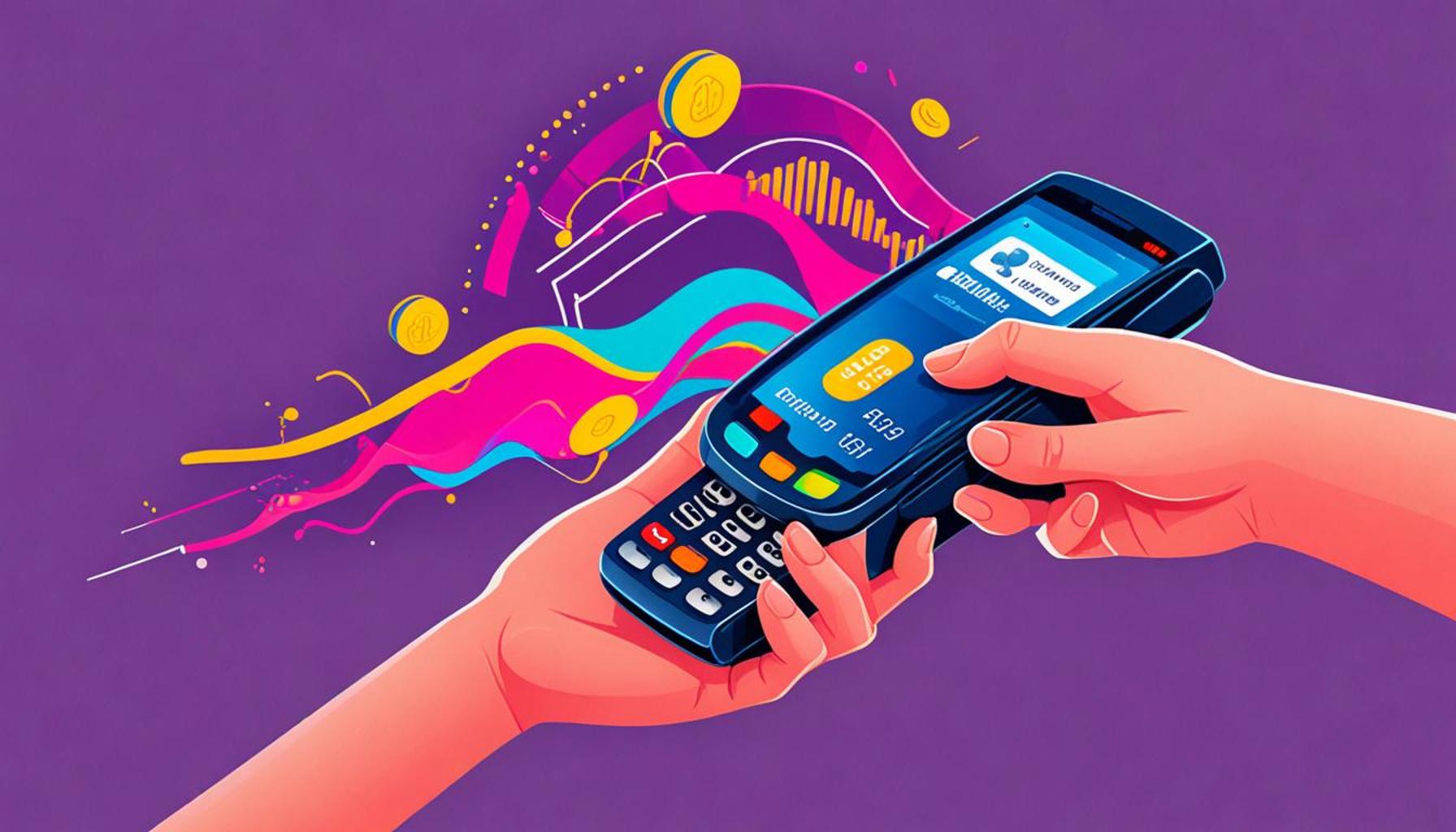
The Evolution of Payment Interactions
As society increasingly embraces the digital age, payment methods are undergoing a significant transformation that is reshaping everyday financial transactions. The emergence of proximity payment technologies, such as mobile wallets and contactless cards, represents a pivotal change in how consumers manage their purchasing experiences. This shift not only reflects evolving consumer preferences but also indicates a broader trend toward a cashless society.
Key Benefits of Proximity Payment Technologies
The allure of these innovations lies in their numerous advantages, which cater to modern consumers’ lifestyles:
- Convenience: The capability to complete transactions swiftly minimizes wait times at checkout, allowing consumers to maintain their schedules with ease. For example, during busy shopping seasons, such as Black Friday, the ability to tap and go can significantly enhance the shopping experience.
- Security: With enhanced encryption technology, these methods often provide better protection against fraud compared to traditional payment methods. Biometrics, such as fingerprint scanning or facial recognition, add an extra layer of verification, reassuring consumers about their financial safety.
- Engagement: Mobile platforms often integrate promotions and loyalty rewards, facilitating a more interactive shopping experience. Brands can send targeted offers directly to users’ phones, making conveniences like cash-back options and discounts easily accessible.
The Impact on Consumer Behavior
Today’s consumers prioritize speed and efficiency in their financial interactions. Statistics reveal that nearly 70% of smartphone users in the U.S. now utilize mobile payment options, a figure that underscores the popularity of proximity payment technologies. This trend significantly influences consumer expectations surrounding shopping and payment experiences.
Understanding how these technologies impact consumer behavior highlights several notable factors:
- Changes in spending patterns emerge as consumers are more likely to buy on impulse when transactions are as simple as a tap. This can lead to increased overall spending.
- The growing reliance on technology for everyday transactions points to a demographic shift, particularly among younger generations who favor digital solutions over cash or checks.
- Demographics play a vital role in the adoption of these payment methods, with younger consumers being more inclined to embrace mobile wallets, while older generations may still prefer familiar methods.
As consumers continue to integrate these innovative solutions into their daily lives, the implications extend far beyond individual purchases. The evolving landscape of retail and finance opens doors for new opportunities and challenges, prompting businesses to adapt to these changes. It invites curious minds to delve deeper into how this technological evolution influences consumption trends and to explore how it shapes the future of commerce in the United States.
DISCOVER MORE: Click here for a step-by-step guide
Shaping Modern Shopping Experiences
The advent of proximity payment technologies has revolutionized the way consumers engage with brands and retailers. This transformation goes beyond mere convenience; it represents a fundamental shift in consumer behavior, influencing how purchases are made, how customers interact with products, and even how they perceive value in their shopping experiences. With traditional methods taking a backseat, systems that allow payments through a swipe, tap, or even a smile have created new dynamics in the marketplace.
One of the most compelling aspects of proximity payment technologies is their ability to drive impulse buying. Research indicates that consumers are more likely to make spontaneous purchases when payment is made effortlessly. A survey by the National Retail Federation showed that 56% of shoppers reported feeling encouraged to spend more when they can pay with contactless options. This phenomenon can be attributed to the psychological principle of reducing friction in the buying process. When a consumer only has to tap their mobile device, the barrier that typically necessitates thought and consideration diminishes, leading to unplanned purchases.
Moreover, enhanced personalization plays a crucial role in shaping consumer behavior amid these technological advancements. Proximity payment platforms often come equipped with features that analyze purchasing habits and preferences, allowing businesses to tailor their marketing strategies accordingly. Research shows that consumers are more likely to engage with brands that recognize their individual behaviors, thus fostering loyalty and repeat business. For instance, loyalty programs integrated within mobile wallets enable consumers to track their rewards and receive tailored promotional offers, creating a more immersive shopping experience that feels uniquely curated for them.
- Speed: The immediacy of transactions creates a seamless environment, encouraging shoppers to engage in both online and in-store purchases without delay.
- Accessibility: With the added option of mobile payment apps, individuals can manage their finances and make purchases from anywhere, leading to an increased tendency to shop on the go.
- Peer Influence: Social interactions are also amplified; consumers witness their peers using these advanced payment methods, which creates a sense of conformity and encourages others to adopt similar practices.
This rapid adoption of proximity payment technologies, particularly among millennials and Gen Z consumers, underscores a larger generational shift toward digital solutions. As these younger demographics dominate consumer markets, their preferences will undeniably dictate the evolution of retail strategies, compelling businesses to adapt or risk stagnation.
As both retailers and brands explore the potential of proximity payment technologies, awareness of these trends is essential. The power to spark spontaneous interest, build brand loyalty through personalized experiences, and create a shopping environment that prioritizes ease of transaction will ultimately redefine consumer behavior in the years to come. With the expected surge in mobile payment usage, integrating these technologies into retail strategies is not just beneficial but necessary for remaining competitive in a rapidly changing landscape.
DON’T MISS OUT: Click here to find out how
Consumer Trust and Security Perceptions
As proximity payment technologies continue to evolve, the issues surrounding trust and security are becoming increasingly significant. While the convenience of contactless payments is clear, consumer confidence in the security measures behind these technologies is critical for widespread adoption. According to a survey conducted by the Better Business Bureau, approximately 53% of consumers express concern about the safety of their financial information when using mobile wallets. This skepticism highlights the need for businesses to not only invest in state-of-the-art payment technology but also clearly communicate the security features that protect consumers.
Encryption and tokenization are technical features that play a pivotal role in enhancing security perception. These advanced methods limit the exposure of sensitive information, making it significantly harder for hackers to access personal data during transactions. Many tech companies are capitalizing on this by prominently showcasing these features during marketing campaigns, reassuring potential users that their financial health is safeguarded. For businesses, addressing customer fears and educating consumers about security measures can help build trust, a fundamental component in encouraging the adoption of new technologies.
The Role of Augmented Reality and Virtual Wallets
Another emerging trend that complements proximity payment technologies is the integration of augmented reality (AR) in the shopping experience. Retailers are increasingly utilizing AR to enhance consumer engagement by allowing shoppers to visualize products in their own space or to navigate stores more efficiently. When combined with mobile payment technologies, this creates a seamless and interactive shopping experience. For instance, IKEA’s mobile app uses AR to help customers see how a specific piece of furniture will look in their home before making a purchase. This not only boosts consumer confidence but also encourages transactions that may have otherwise been delayed due to uncertainty.
Moreover, virtual wallets paired with AR functionalities enable consumers to pay for items directly from their smartphones while exploring various retail options. Research from the Retail Innovation Lounge shows that 48% of consumers between the ages of 18 and 34 are more likely to make a purchase when they have access to innovative shopping tools, blending payment with enhanced real-world interactions. As this technology becomes more mainstream, a fascinating trend will emerge: consumers may come to expect immersive shopping experiences that integrate payment options fluidly and intuitively into their environments.
Impact on Customer Loyalty and Retention
The integration of proximity payment technologies also holds the potential to reshape customer loyalty and retention strategies. With features such as instant rewards, exclusive discounts, and personalized offers being easily integrated into mobile payment systems, brands can create compelling incentives for consumers to return to their stores. For instance, Starbucks has effectively utilized its mobile app to combine payment, rewards, and customized offers, fostering a deep sense of brand loyalty among its customers. A report from PYMNTS indicates that 41% of consumers are more likely to remain loyal to brands that offer integrated payment and loyalty solutions.
Moreover, as businesses gather analytics from mobile payment transactions, they can better understand purchasing behaviors and preferences, leading to even more targeted and effective marketing. By personalizing interactions and creating a feedback loop, businesses can not only retain existing customers but also attract new ones through positive word-of-mouth and enhanced brand reputation. This interconnectedness between payment technologies and loyalty initiatives is likely to shape marketing strategies and deepen consumer relationships in the future.
In summary, trust, security perceptions, augmented reality, and loyalty integration represent just a few of the many facets influenced by proximity payment technologies. As these technologies evolve and become more entrenched in everyday life, a deeper exploration of these areas will prove essential for understanding their full impact on consumer behavior.
DIVE DEEPER: Click here to discover how to apply
Conclusion
In summary, the advent of proximity payment technologies is revolutionizing the way consumers interact with retail environments, ultimately shaping their purchasing behavior. As discussed, the blend of convenience and enhanced user experience stems not only from the payment method itself but also from complementary innovations such as augmented reality and virtual wallets. This synergy fosters a more immersive shopping experience, meeting the growing consumer expectation for streamlined transactions merged with interactive capabilities.
The importance of trust and security cannot be overstated. Addressing consumer concerns regarding the safety of their financial information is vital for successful adoption. As organizations invest in advanced security measures like encryption and tokenization, they must also prioritize transparency in communicating these features to build confidence among potential users. The data shows a notable percentage of consumers remain hesitant, underscoring the need for ongoing education and engagement in this area.
Furthermore, the implementation of personalized loyalty programs within mobile payment frameworks signals a promising trend towards deeper customer loyalty and retention. As businesses harness data from these transactions, they gain valuable insights, enabling them to tailor interactions and offers effectively. In doing so, they not only strengthen relationships with existing customers but also entice new ones through a reputation for convenience and innovation.
As proximity payment technologies continue to advance, they hold the potential to reshape consumer behavior profoundly. Keeping an eye on emerging trends will be essential for businesses aiming to stay ahead in this dynamic landscape. By fostering trust, enhancing customer experiences, and optimizing loyalty programs, entities can effectively navigate the future of commerce and meet the ever-evolving demands of consumers.
Related posts:
The Role of Cybersecurity in Protecting Financial Data in a Digital World
How Artificial Intelligence Is Transforming the Banking Sector
The Impact of Fintechs on Financial Inclusion in the USA
How Artificial Intelligence Is Transforming the Banking Sector
Blockchain Beyond Cryptocurrencies: Applications in Finance and Auditing
The Role of Blockchain in Transparency and Security of Financial Transactions

Linda Carter is a writer and financial expert specializing in personal finance and financial planning. With extensive experience helping individuals achieve financial stability and make informed decisions, Linda shares her knowledge on the Virtual Tech Dicas platform. Her goal is to empower readers with practical advice and strategies for financial success.