
The Evolution of the Labor Market and its Implications for the U.S. Economy
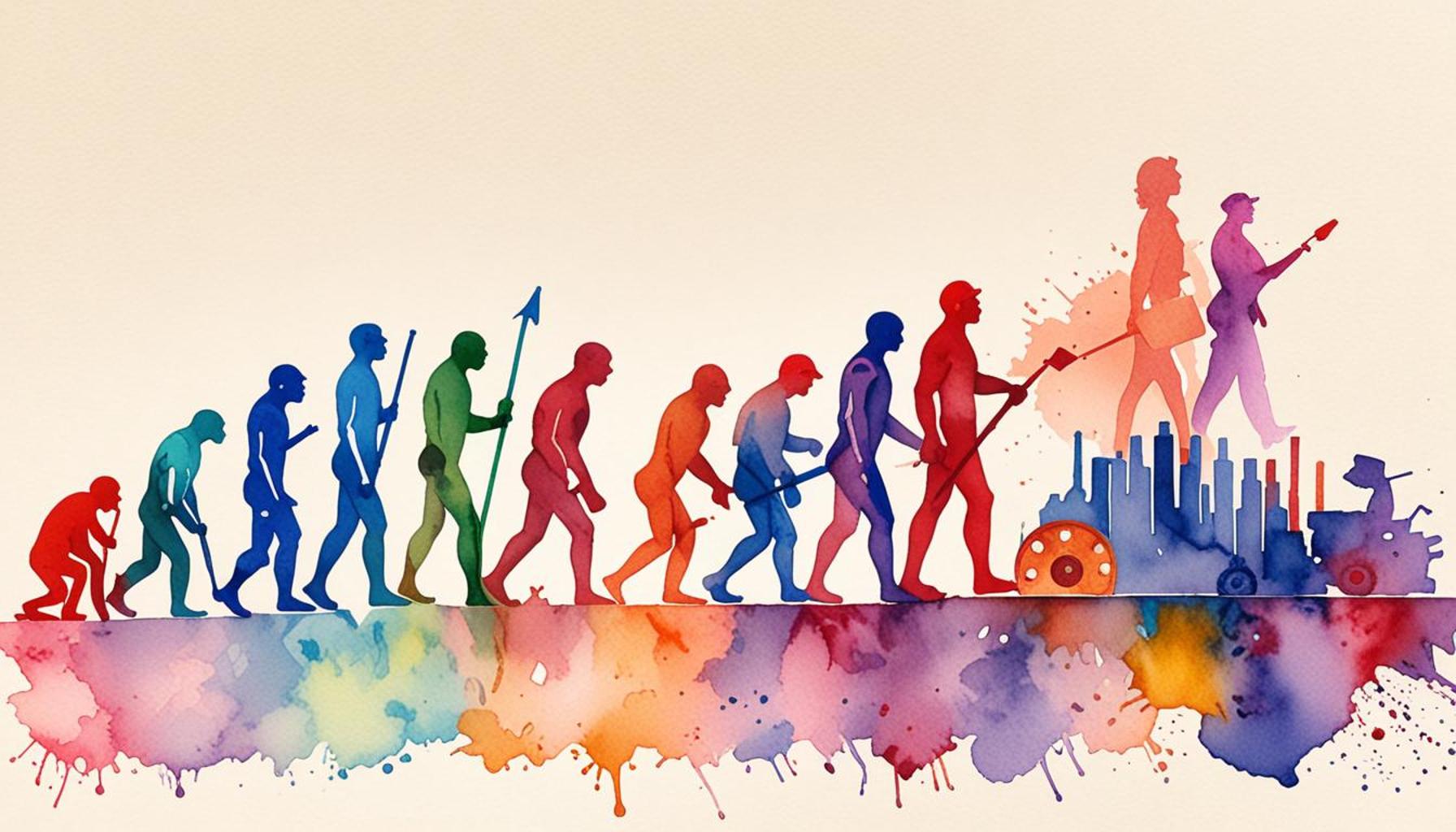
Understanding the Transformation of the U.S. Labor Market
The labor market in the United States has evolved dramatically over the past few decades, driven by an array of factors that interact to shape job availability, wage levels, and overall economic health. As we delve deeper into these transformations, it becomes evident that both employers and workers must adapt to stay competitive and secure.
Technological Advancements
Automation and artificial intelligence are at the forefront of this evolution, significantly reshaping job roles across various sectors. For instance, in manufacturing, robotics is streamlining production processes, leading to increased efficiency. According to a report by the Brookings Institution, nearly 25% of U.S. jobs are at a high risk of automation over the next few decades, particularly in routine-based sectors like transportation and assembly. At the same time, these technologies are paving the way for new industries, such as AI-driven healthcare diagnostics or autonomous vehicles, creating demand for workers with specialized skills in coding and data analysis.
Globalization
The rise of globalization has interconnected economies worldwide, impacting job availability and wage levels in the U.S. Global supply chains mean that a product designed in America might be manufactured overseas, leading to a shift in labor demand. This has caused certain sectors, such as textiles and manufacturing, to experience job losses, while service-oriented industries, like IT and finance, have seen growth. The impact of globalization is evident in the increasing role of multinational corporations, which often have the power to influence local job markets and wage standards.
Demographic Shifts
Demographic shifts are altering the labor landscape as well. The U.S. workforce is not only aging, but is also becoming more diverse. The Bureau of Labor Statistics projects that by 2030, nearly one in five Americans will be over the age of 65, leading to critical skill deficiencies in various sectors. This demographic change necessitates the need for businesses to provide adaptable training programs to retain older employees while also accommodating younger, tech-savvy workers who seek flexible work environments. Furthermore, increasing diversity brings new perspectives that can drive innovation and enhance workplace culture, but can also require a shift in management strategies to foster inclusion.
Implications for the Economy
The implications of these changes for the U.S. economy are profound and multifaceted. Businesses encounter both exhilarating opportunities and formidable challenges as they navigate this dynamic environment. For policymakers, understanding these shifts is crucial to implementing strategies that ensure economic stability and growth. Issues such as income distribution and job security become increasingly relevant as the landscape evolves.
In summary, the labor market’s transformation in the U.S. reflects a complex interplay of technological, economic, and demographic factors. As we explore these developments, we invite readers to consider their impact not only on individual careers but also on the broader economic system. Continuous investigation into these trends will empower both workers and employers to thrive in an ever-changing job market.
DIVE DEEPER: Click here to learn more about sustainable investments
Shifting Dynamics in Employment
The evolution of the labor market is not merely an academic observation; it reverberates deeply throughout the U.S. economy, shaping how businesses operate and influencing the livelihood of millions. One of the principal shifts in this landscape is the growing importance of gig economy roles and remote work arrangements, which have gained momentum especially in the wake of the COVID-19 pandemic. Businesses are increasingly relying on freelancers, contractors, and remote employees, with platforms like Uber, Fiverr, and Upwork leading the charge. This shift allows companies to reduce fixed labor costs and increase workforce flexibility, though it often comes at the cost of job security and employee benefits for workers.
Statistics show that as of 2022, the gig economy accounted for around 36% of U.S. workers, underscoring a significant change from traditional employment models. Moreover, a report from the McKinsey Global Institute highlights that the popularity of flexible working arrangements may persist, with up to 20-30% of the U.S. workforce likely to be involved in gig work by 2030. This new labor paradigm raises important questions regarding labor rights and protections, as many gig workers lack access to essential benefits such as health insurance and retirement plans.
Impact of Education and Skills Development
As the labor market shifts towards more specialized skills, the importance of education and continuous learning becomes paramount. Approximately 70% of employers report difficulties in filling job openings due to skill shortages, indicating a mismatch between available jobs and the skills possessed by job seekers. This growing skills gap heightens the need for educational institutions to adapt curricula, focusing more on STEM-related fields and vocational training, to equip the workforce for emerging opportunities.
- Technological Literacy: As industries incorporate sophisticated technologies, workers must develop proficiency in tools ranging from basic computer skills to advanced programming and data analytics.
- Soft Skills: Abilities such as communication, teamwork, and critical thinking are becoming increasingly vital, especially in collaborative environments common in remote work.
- Continuous Learning: The demand for lifelong learning strategies is rising, urging professionals to invest in ongoing education to remain relevant in evolving job markets.
Moreover, the focus on skill development creates a new avenue for workforce training programs, community colleges, and private training institutions to play a crucial role in shaping human capital. Government initiatives and partnerships with private sectors are also being formed to develop programs aimed at bridging the skills gap, emphasizing not only talent acquisition but also talent sustainability in this ever-changing landscape.
The implications of these developments in education and employment practices are significant. Addressing the skills gap could enhance productivity, foster innovation, and bolster economic growth in the U.S. It calls for a collective response from educational bodies, employers, and policymakers to create an adaptive system that meets the demands of future labor markets while preserving the welfare of workers.
DIVE DEEPER: Click here to learn how to apply for the Chase Freedom Unlimited credit card</
Technological Transformation and Automation
The labor market’s evolution is also significantly shaped by technological transformation and automation. As industries strive for efficiency and competitiveness, the integration of advanced technologies—like artificial intelligence, robotics, and machine learning—into daily operations has become increasingly prevalent. Reports indicate that by 2030, automation may displace up to 25% of U.S. jobs, particularly in sectors such as manufacturing, retail, and customer service. However, this disruption also presents opportunities for new industries to emerge and for current roles to evolve rather than vanish entirely.
For instance, jobs that emphasize human creativity, emotional intelligence, and complex problem-solving are becoming more invaluable as machines take over routine tasks. The World Economic Forum estimates that by 2025, while 85 million jobs may be displaced due to the rise of machines, approximately 97 million new roles tailored toward the human skills of the future may be created. This shift highlights the dual nature of technological advancement—it can lead to both job losses in certain areas and job creation in others.
Evolving Business Models and Workforce Structuring
The rise of technology and the gig economy is also prompting businesses to rethink their operational structures. Companies are increasingly adopting hybrid models that combine in-house talent with freelance and remote workers, allowing for agility and greater responsiveness to market changes. These new models can drive innovation and productivity, as organizations harness diverse skill sets from a broader talent pool, irrespective of geographic location.
In addition, the notion of company culture is evolving as more employees prioritize work-life balance and flexibility. According to a survey by Gallup, 54% of workers prioritize flexible work options over salary when considering job opportunities. This shift influences how companies attract and retain talent, with many now offering remote roles, flexible hours, and personalized work environments as key benefits—transforming the traditional employer-employee relationship.
Economic Implications of Labor Market Changes
The changing labor market landscape carries profound economic implications. As organizations shift from permanent staff to contingent labor, the dynamics of consumer spending may also be affected. Gig workers, often facing less job security and fewer benefits, might exhibit more cautious spending habits, potentially impacting economic growth. Consequently, a wave of gig workers could lead to a decrease in purchasing power and consumer confidence, slowing overall economic momentum.
Moreover, the proliferation of automation and AI poses questions around taxation and social safety nets. Policymakers will need to grapple with an evolving economy where traditional employment structures are transformed, leading to fewer tax contributions from employees. This new reality necessitates creative solutions to ensure that benefits and social protections align with the changing workforce. Updated policies and regulations will be crucial to accommodating innovative trends and safeguarding workers’ rights within this dynamic landscape.
As such, understanding these transformative trends in the labor market is essential for stakeholders at every level—from policymakers to business leaders to workers themselves. The interplay between technology, education, and evolving work practices will not only shape career paths but dictate the future health of the U.S. economy as a whole.
DISCOVER MORE: Click here for detailed application steps
Conclusion
The evolution of the labor market is not merely a backdrop to the broader economic narrative; it is a driving force that shapes the very foundation of the U.S. economy. As we navigate an era characterized by technological advancements and the rise of alternative work arrangements, the implications for workers, businesses, and policymakers are profound and far-reaching. With an estimated 25% of U.S. jobs potentially affected by automation by 2030, it is crucial to recognize that while disruption is inevitable, opportunity is equally present.
Industries will not only need to adapt to change, but also innovate to foster environments where human skills can thrive alongside machines. As the workforce embraces creativity and emotional intelligence, new roles will emerge, suggesting a shift in educational priorities and workforce training initiatives. Addressing these needs will be vital to ensuring that both current job seekers and future generations are equipped to succeed in a rapidly transforming landscape.
Moreover, the transition to flexible work arrangements and gig economies introduces new challenges in consumer behavior, tax structures, and social safety nets. Policymakers must step forward, crafting adaptable regulations that protect and empower a workforce in flux. The implications for economic growth, job security, and social welfare are intertwined; thus, striving for policies that stimulate innovation while ensuring worker protections will be essential in preserving the vitality of the U.S. economy.
In conclusion, the evolution of the labor market is an ongoing journey that demands attention and action from all stakeholders. Understanding the dynamics of this transformation provides an opportunity to anticipate challenges, embrace innovation, and ultimately, continue to forge a resilient and prosperous U.S. economy.
Related posts:
The Fintech Revolution: How Technology Is Transforming the American Financial Sector
The relationship between student debt and economic mobility in the USA
Economic Inequality: Analyzing the Causes and Consequences in the USA
The Role of Microenterprises in Post-Pandemic Economic Recovery
Trends in Sustainable Investments and Their Effect on the American Economy
Challenges and Opportunities for Startups in a Volatile Economic Environment

Linda Carter is a writer and financial expert specializing in personal finance and financial planning. With extensive experience helping individuals achieve financial stability and make informed decisions, Linda shares her knowledge on the Virtual Tech Dicas platform. Her goal is to empower readers with practical advice and strategies for financial success.