
Strategies to Avoid Credit Card Debt and Keep Your Finances on Track
Understanding Financial Management
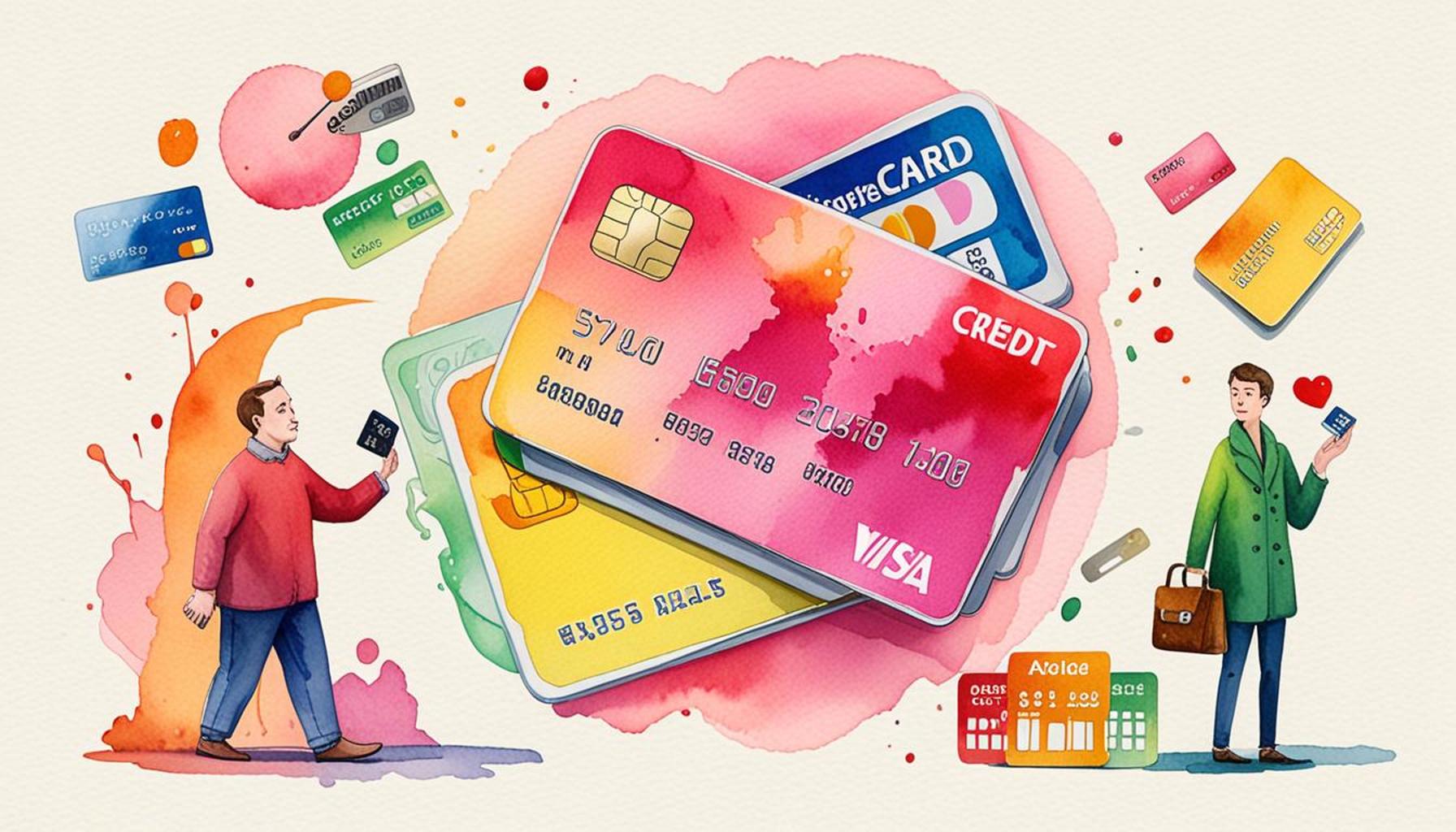
Managing finances can often feel overwhelming, especially when credit cards are involved. With over 70% of Americans holding at least one credit card, the temptation to overspend is significant. Not only do credit cards provide a convenient way to make purchases, but they also come with the potential pitfalls of high-interest rates and mounting debt. By understanding effective strategies to maintain control over credit card usage, individuals can secure their financial future and avoid the common traps that lead to financial instability.
Create a Budget
A key element in managing your finances effectively is to create a budget. This involves tracking all income and expenditures meticulously. Start by listing your monthly income sources and then itemize your expenses, categorizing them into fixed (such as rent or mortgage) and variable costs (like groceries and entertainment). You can utilize budgeting apps or spreadsheets to keep everything organized. For example, the 50/30/20 rule is a popular budgeting method, where 50% of your income goes to needs, 30% to wants, and 20% to savings or debt repayment. This structured approach ensures you have a clear picture of your finances and helps to identify areas where you may be overspending.
Set Up Automatic Payments
Another effective strategy is to set up automatic payments for your credit card bills and other recurring expenses. This ensures that bills are paid on time, helping you avoid late fees and additional interest rates. Choose a manageable payment date each month, ideally right after your pay period, to align your outgoing expenses with incoming income. By automating payments, you can also boost your credit score since timely payments are a significant factor in credit evaluation. According to credit reporting agencies, making timely payments can increase your score by as much as 50 points over time.
Use Cash or Debit Cards
To limit spending, consider using cash or debit cards instead of credit cards. This method not only keeps you within your budget but also psychologically discourages unnecessary impulse purchases. Research shows that people tend to spend less when using cash compared to credit cards. When you use cash, you physically feel the money leaving your wallet, which can curb the urge to overspend. On the other hand, debit cards allow you to make purchases without going into debt, as you’re only spending what you have in your bank account.
The Benefits of Proactive Credit Management
Being proactive about your credit can reap substantial benefits. By incorporating these techniques, you can improve your credit score over time. Responsible management of credit cards and timely payments demonstrates reliability to lenders, which is crucial when seeking loans for major purchases like a home or car. Additionally, avoiding high-interest rates is essential for financial health. Staying within your budget minimizes the risk of incurring debt, which can lead to a cycle of borrowing and repayment that is difficult to escape.
Ultimately, focusing on these strategies can reduce financial stress. Having a clear financial plan fosters peace of mind and empowers better decision-making. With a strong understanding of your finances, you can confidently navigate the world of credit cards and protect your financial future.
By implementing these strategies, you can gain a clearer understanding of your finances. Equip yourself with the knowledge necessary to navigate your credit card usage responsibly. Stay tuned as we explore further tools and insights to keep your financial journey on track.
DISCOVER MORE: Click here to find out how
Smart Financial Habits to Cultivate
Building a strong foundation for financial health involves cultivating smart habits that can significantly reduce the risk of accruing credit card debt. By establishing these good practices, individuals can enhance their financial literacy and create a more secure economic future. Here are a few strategies that can pave the way toward sound financial management:
Keep Track of Your Spending
To avoid falling into the trap of credit card debt, it is crucial to monitor your spending closely. Regularly reviewing your transactions allows you to identify patterns and areas where you might be overspending. Start by categorizing your purchases into essential and non-essential expenses. This differentiation can illuminate where you might cut back. For instance, consider using an expense tracking app that can categorize each transaction for you. Implementing this strategy not only helps you stay within your budget, but also increases your awareness of your financial habits, making it easier to adjust them as needed.
Establish an Emergency Fund
Another important strategy is to build an emergency fund. This fund serves as a financial safety net, ready to cover unexpected expenses, such as medical emergencies or car repairs, without resorting to credit cards. Aim to save three to six months’ worth of living expenses. By having this cushion, you can reduce the likelihood of relying on credit for unforeseen costs, thus keeping your credit card balance manageable. You can start small by setting aside a portion of your monthly income until you reach your desired savings goal. In fact, a study showed that nearly 40% of Americans can’t afford a $400 emergency expense without borrowing, highlighting the importance of this strategy.
Limit the Number of Credit Cards
While having multiple credit cards can provide benefits like points and rewards, it can also lead to overwhelming debt. Consider limiting the number of credit cards you own to a manageable few. Each card can represent a separate line of credit and increase the potential for overspending. Focus instead on choosing a couple of cards that offer the best rewards and interest rates, and use them strategically. This not only makes tracking your expenses easier but also simplifies repayment. Furthermore, having fewer cards reduces the temptation to make impulse purchases that you might later regret.
Educate Yourself on Interest Rates
- Understand APR: Annual Percentage Rate (APR) can vary significantly from card to card. Knowing the rates of your cards can help you prioritize which debts to pay off first.
- Know about grace periods: Many credit cards come with grace periods that allow you to avoid interest if you pay your balance in full before the due date.
- Consider balance transfers: If facing high interest rates, balance transfer options can provide lower rates temporarily to pay down debt more efficiently.
By familiarizing yourself with the ins and outs of interest rates and rewards, you empower yourself to make informed choices. Understanding the financial landscape can dramatically affect your ability to steer clear of debt while reaping the benefits that credit cards offer.
As you adopt these smart financial habits, you will find yourself better equipped to manage your credit cards and expenses effectively. Taking small but significant steps can lead to a more secure financial future, setting a strong precedent for responsible credit usage.
DIVE DEEPER: Click here to learn how to apply
Practical Steps to Maintain Control Over Your Credit
Managing credit card usage effectively requires implementing specific strategies that align with your financial goals. While cultivating smart financial habits is vital, applying practical steps can further fortify your defenses against debt while maximizing the benefits of credit cards. Here are some actionable recommendations to help you stay on the right financial path:
Create a Realistic Budget
Establishing a realistic budget is one of the most effective ways to manage your finances and prevent credit card debt. Start by calculating your total income and stacking it against your monthly expenses. Break expenses down into categories, accounting for necessities like housing and groceries as well as discretionary spending like entertainment. Allocate a specific amount for credit card payments, ensuring that it fits comfortably within your overall budget. Remember that sticking to this budget is essential; adherence will keep your spending in check and prevent the accumulation of debt.
Set Up Payment Reminders
Missing payment deadlines can result in late fees and a spike in interest rates, which often exacerbate existing debt. To mitigate this issue, consider setting up payment reminders. Various banks and credit card companies offer tools to help you remember when payments are due. Additionally, many individuals find success in automating their payments. By scheduling automatic payments, you eliminate the risk of missed due dates, ensuring that you prioritize punctuality and protecting your credit score in the process.
Use Credit Responsibly
Using credit responsibly involves more than just making timely payments; it also means being mindful of how much credit you utilize. Aim to keep your credit utilization ratio—defined as the percentage of your total available credit that you are using—below 30%. Higher utilization rates can negatively affect your credit score, limiting your ability to borrow in the future. If you find yourself approaching this threshold, consider scaling back your spending or paying down a portion of your balance before making new purchases.
Regularly Review Your Credit Report
Taking an active role in monitoring your credit report is vital for maintaining financial health. In the U.S., you are entitled to a free credit report annually from each of the three major credit bureaus: Equifax, Experian, and TransUnion. Reviewing your report helps you identify any discrepancies or potential signs of fraud that can negatively impact your credit profile. Furthermore, it enables you to track your credit utilization and payment history, allowing you to make appropriate adjustments where necessary. Regular monitoring serves as an early warning system for financial distress, empowering you to act before problems escalate.
Consider Credit Counseling
If your financial situation feels overwhelming, seeking help from a credit counseling service can provide significant benefits. These nonprofit organizations offer free or low-cost consultations to guide you in managing debts and credit effectively. Certified credit counselors can help you create a customized budget, negotiate with creditors, and develop a debt management plan that works for your unique circumstances. Engaging with professionals can provide clarity and new perspectives, ensuring that you are not navigating your financial challenges alone.
By incorporating these practical steps into your daily financial routine, you elevate your ability to manage credit wisely and stave off the dangers of debt. Cultivating a proactive approach to your finances ultimately fosters better decision-making, setting you on the path toward lasting financial stability. Each deliberate action creates a ripple effect, promoting a sense of control and empowering you to maintain more robust financial health over time.
DIVE DEEPER: Click here to discover more about the gig economy
Conclusion
In today’s fast-paced world of credit and consumerism, staying ahead of potential credit card debt is paramount for achieving long-term financial wellness. By implementing effective strategies such as creating a disciplined budget, setting up payment reminders, and using credit responsibly, you can cultivate healthier spending habits that shield you from the pitfalls of debt. The freedom that comes from actively managing your finances leads not only to a stronger credit score but also to increased opportunities for future investments.
Furthermore, regularly reviewing your credit report is crucial; it acts as your financial roadmap, guiding you towards better decision-making while identifying potential issues before they escalate. Engaging with credit counseling services offers an invaluable advantage, providing expert insights and support tailored to your unique financial situation. These services merge knowledge with action, ensuring that you are not left to navigate your financial journey alone.
Ultimately, empowering yourself with these tools can transform your relationship with credit and foster a sense of confidence in your financial decisions. As you embrace these strategies, remember that the journey toward stable finances is not a sprint; it’s a marathon that requires patience, dedication, and continual learning. By taking deliberate steps today, you pave the way for vibrant financial health tomorrow, ensuring that credit works for you, not against you. So stay informed, stay proactive, and experience the freedom that comes from financial mastery.
Related posts:
How to Apply for the Capital One Venture X Credit Card Step-by-Step Guide
How to Apply for Secured Chime Credit Builder Visa Credit Card Today
How to Apply for a Wells Fargo Personal Loan A Step-by-Step Guide
The Pros and Cons of Using Credit Cards to Build Your Credit History
How to Apply for Emirates Skywards Rewards World Elite Mastercard Credit Card
Apply for the Bank of America Travel Rewards Credit Card Easy Guide

Linda Carter is a writer and financial expert specializing in personal finance and financial planning. With extensive experience helping individuals achieve financial stability and make informed decisions, Linda shares her knowledge on the Virtual Tech Dicas platform. Her goal is to empower readers with practical advice and strategies for financial success.