
Economic Inequality: Analyzing the Causes and Consequences in the USA
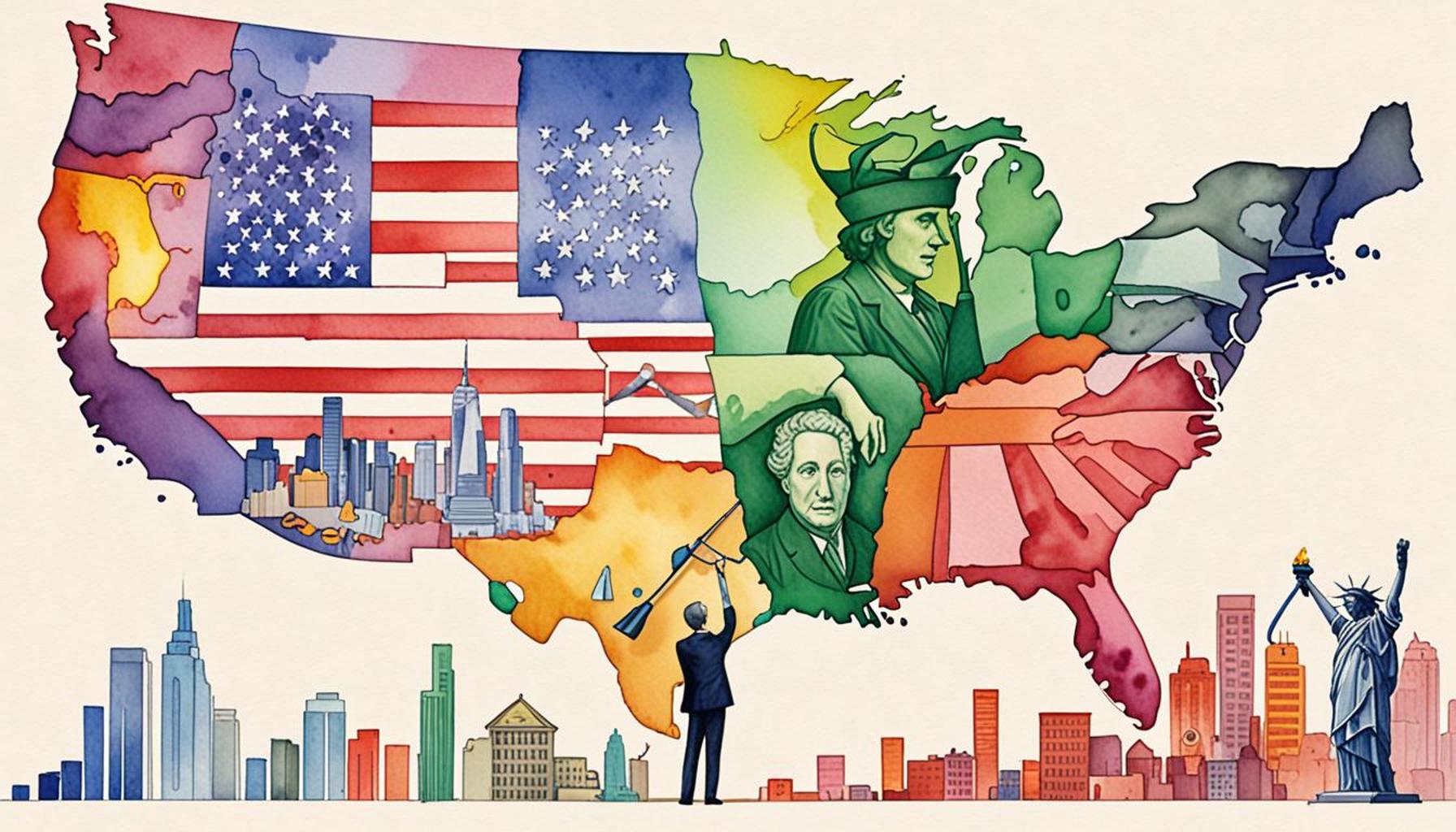
Economic Inequality in America
The phenomenon of economic inequality in the United States has escalated into a critical issue, raising questions about fairness, opportunity, and the fundamental structure of society. A staggering revelation is that the top 10% of earners control approximately 70% of the nation’s wealth, leaving the remaining vast majority to compete for a mere fraction of financial resources. This concentration of wealth not only influences economic stability, but it also has far-reaching implications for social mobility and public policy decisions.
One of the critical dimensions of economic inequality is the widening income gap. The disparity between high-skilled and low-skilled workers has become more pronounced, particularly in the face of rising living costs. For example, while jobs in tech and healthcare are seeing substantial wage increases, traditional sectors such as retail and manufacturing are experiencing stagnation or decline in earnings. This leaves many working-class Americans grappling with stagnant wages that do not keep pace with inflation, ultimately affecting their purchasing power and quality of life.
- Wealth Disparities: While the rich continue to accumulate wealth, those in lower income brackets often struggle with basic necessities, creating a schism that is not just financial but social.
- Access to Opportunities: Children from low-income backgrounds frequently encounter significant barriers in education, often attending underfunded schools where resources are limited. This educational disadvantage can have long-lasting effects, making it more difficult to break out of the cycle of poverty.
Numerous factors contribute to this growing inequality, and understanding these elements is crucial for moving towards potential solutions. Technological advancements like automation and artificial intelligence are creating new roles while simultaneously rendering others obsolete. For instance, factory jobs that once provided stable incomes for many have dwindled as robots take over routine tasks.
Globalization further complicates this issue, as competition from countries with lower labor costs has led to significant job losses within traditional American industries. States that relied heavily on manufacturing have seen economic declines, forcing individuals into jobs in gig economies that offer less security and benefits.
Moreover, recent changes in tax policies have often favored the wealthy, exacerbating the economic divide. For example, tax breaks for high earners and corporations have not been matched with equivalent support for lower-income families, making it increasingly difficult for these families to ascend the economic ladder.
The consequences of this widening gap in wealth and income are alarming. They extend into various aspects of life, including education, healthcare, and even mental well-being. Without a concerted effort to address these inequalities, the fabric of American society may face irreparable strain. Understanding these nuances is essential for fostering informed dialogue and crafting effective policy solutions aimed at creating a more equitable environment for all citizens.
DISCOVER MORE: Click here for details on applying
Understanding the Underlying Causes of Economic Inequality
To grasp the complexities of economic inequality in the United States, it is necessary to dissect the interwoven factors that contribute to this dilemma. Among the primary culprits is the education system. The quality of education has a profound impact on an individual’s earning potential. Students from affluent districts benefit from superior resources, up-to-date technology, and experienced educators, while their peers in low-income areas often face overcrowded classrooms and outdated materials. A startling statistic indicates that schools serving predominantly low-income populations receive less than 75% of the funding available to wealthier counterparts, perpetuating a cycle of disadvantage that can last for generations.
Furthermore, the rising cost of higher education exacerbates these inequalities. With tuition fees surging over the past few decades, many families are priced out of the opportunity to secure a college degree. According to recent estimates, student loan debt in the United States has surpassed $1.7 trillion, limiting the financial freedom of recent graduates and hindering their ability to invest in homes or save for retirement. The burden of debt disproportionately affects first-generation college students, who often lack guidance on navigating the financial landscape of higher education.
- Job Market Dynamics: As mentioned earlier, shifts towards automation and outsourcing have profoundly altered job availability. Skilled professionals flourish in the evolving market, while unskilled workers frequently find their roles diminished or eliminated.
- Union Decline: The decline of labor unions over the last few decades has weakened the collective bargaining power of workers. As a result, wages for many blue-collar jobs have stagnated or even decreased, leading to diminished benefits and job security.
- Geographical Disparities: Economic opportunities are often geographically concentrated, with urban areas like Silicon Valley and New York City reaping the benefits of the tech boom. In contrast, rural regions and former industrial towns continue to grapple with economic decline, resulting in significant disparities in wealth and opportunity.
On top of these challenges, systemic discrimination compounds the issue, denying equality of opportunity to marginalized communities. Historical practices like redlining and discriminatory lending have robbed many people of color of wealth-building opportunities, creating generational wealth gaps that are difficult to bridge. The racial wealth gap indicates that White families hold approximately seven times more wealth than Black families and three times more than Hispanic families, illustrating a stark division that reverberates across socioeconomic lines.
Attention must also be directed towards the role of government policy in shaping the landscape of economic inequality. Over the years, shifts in tax policy have favored the wealthiest Americans, effectively widening the wealth gap. Tax reforms that lower rates for high earners and reduce corporate taxes without adequately addressing the burdens placed on low-income families are significant contributors to this issue. As a result, resources for essential services like education or healthcare are increasingly strained.
Recognizing these multifaceted causes is the first step towards arming society with the knowledge necessary to advocate for change. While the ramifications of economic inequality affect everyone, it is vital to approach this issue with a well-rounded understanding to inform both public discourse and policy initiatives aimed at reversing this troubling trend.
DISCOVER MORE: Click here to learn how to safeguard your investments
The Consequences of Economic Inequality on Society
While identifying the causes of economic inequality is crucial, understanding its consequences is equally vital. Economic inequality does not merely affect the individuals at the bottom of the income distribution; its ripple effects impact all layers of society and the economy at large. One of the most pressing consequences of this inequality is its detrimental effect on social mobility. Research shows that America’s status as a land of opportunity has eroded significantly, with a 2020 study indicating that a child born in the bottom income quintile has only a 7% chance of reaching the top quintile. This stagnation poses profound implications, particularly for families striving to break free from the shackles of poverty.
Moreover, economic inequality has a direct relationship with health disparities. Low-income communities often lack access to quality healthcare, resulting in higher levels of chronic diseases, untreated mental health issues, and lower life expectancy. The stress associated with financial insecurity also contributes to health problems, as individuals grapple with anxiety about job security, housing stability, and the inability to afford basic necessities. A shocking statistic from 2021 revealed that individuals in lower-income brackets are about 50% more likely to experience significant health challenges compared to their higher-income counterparts.
Political Polarization and Instability
The effects of economic inequality also extend into the political arena, where it fosters polarization and disillusionment. When wealth is concentrated in the hands of a few, it can lead to a sense of disenfranchisement among the majority. This often results in decreased voter participation, particularly in low-income communities where individuals feel their voices are not heard or their votes do not count. The widening wealth gap in the United States has been linked to increasing incidences of political unrest and radicalization, with growing segments of the population feeling compelled to express their frustrations through protests or even extremist actions.
Impact on Economic Growth
From an economic standpoint, high levels of inequality can stifle overall growth. When wealth is concentrated at the top, consumer spending tends to decline since the wealthy disproportionately save rather than spend their income. This phenomenon undermines economic dynamism, as demand for goods and services stagnates. According to a report from the International Monetary Fund (IMF), countries with higher income inequality tend to experience slower and less sustainable growth trajectories. Such insights raise important questions about the long-term viability of policies that favor wealth accumulation for a select few.
- Increased Crime Rates: Economic disparity can fuel higher crime rates as individuals in impoverished communities may resort to illegal activities out of financial desperation. Social dislocation contributes to environments where crime can flourish.
- Education Inequities: The consequences of economic inequality are mirrored in educational attainment. Insufficient investment in schools in lower-income areas means that students often graduate less prepared, perpetuating the cycle of poverty.
- Declining Social Cohesion: Inequality can erode trust within communities, leading to reduced volunteerism and civic engagement. A divided society is less stable and less likely to invest in collective well-being.
Understanding these consequences is paramount as society considers solutions for tackling economic inequality. As the wealth gap continues to grow, the urgency to address its repercussions only intensifies, signaling potential changes in policies, resource allocations, and community initiatives aimed at building a more equitable society.
DISCOVER MORE: Click here to learn how to apply for your Secured Chime Credit Builder Visa Credit Card
Conclusion
In examining the multifaceted dimensions of economic inequality in the United States, it becomes evident that the ramifications extend far beyond mere statistics. The erosion of social mobility, the widening gap in access to healthcare, and the rising tide of political polarization all highlight the profound impact inequality has on both individual lives and society as a whole. The reality is stark: children born into low-income families face an uphill battle, with a mere 7% chance of ascending to the upper echelons of the income hierarchy. This is not just a statistic; it reflects the dreams and aspirations stifled by structural barriers.
Moreover, the consequences manifest in sectors such as health and education, where disparities translate into severe differences in life outcomes. As the International Monetary Fund noted, economic inequality can significantly thwart sustainable growth by curbing consumer demand, a critical engine of economic vitality. The cycle of poverty thus perpetuates itself, engendering higher crime rates, lower educational attainment, and fractured communities.
The task ahead is daunting yet imperative. To forge a society where every individual has the opportunity to thrive, targeted initiatives must be implemented—be it through progressive taxation, improved access to education, or robust healthcare reforms. As we comprehend the gravity of economic inequality in our nation, we are reminded that it is not purely an economic issue but a call to restore trust, equity, and solidarity within our communities. Only by collectively addressing these inequalities can we pave the way to a more just and prosperous future for all Americans.
Related posts:
The Impact of Inflation on American Family Economy
The Gig Economy: The Growth and Challenges of Temporary Work
The Evolution of the Labor Market and its Implications for the U.S. Economy
The Impact of Trade Policies on the Competitiveness of American Industries
Infrastructure Financing and Its Role in Stimulating Economic Growth
The Fintech Revolution: How Technology Is Transforming the American Financial Sector

Linda Carter is a writer and financial expert specializing in personal finance and financial planning. With extensive experience helping individuals achieve financial stability and make informed decisions, Linda shares her knowledge on the Virtual Tech Dicas platform. Her goal is to empower readers with practical advice and strategies for financial success.