
The Fintech Revolution: How Technology Is Transforming the American Financial Sector
The article explores how fintech innovations are reshaping the American financial sector, enhancing accessibility, efficiency, and user experience. Key developments like mobile banking, blockchain technology, and AI are transforming traditional finance, fostering inclusion for unbanked populations and pushing established banks to adapt in a rapidly evolving landscape.

The Gig Economy: The Growth and Challenges of Temporary Work
The article explores the rise of the gig economy in America, highlighting its benefits like flexibility and diverse income opportunities while addressing challenges such as lack of benefits and income instability. It emphasizes the need for financial management solutions and support for gig workers navigating this evolving labor landscape.
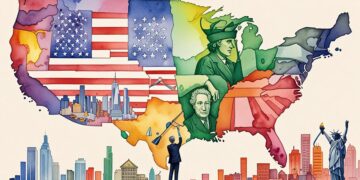
Economic Inequality: Analyzing the Causes and Consequences in the USA
Economic inequality in the USA continues to rise, with the top 10% of earners controlling 70% of the nation’s wealth. This widening income gap affects social mobility, educational access, and healthcare disparities, leading to significant societal consequences. Addressing these issues requires comprehensive reforms to foster equity and opportunity for all Americans.

Trends in Sustainable Investments and Their Effect on the American Economy
Sustainable investments are transforming the American economy, driven by increasing consumer demand for ethical products and robust regulatory frameworks. As capital flows into ESG-focused funds rise, companies are adapting their practices toward sustainability. This shift promises to unlock new business opportunities while promoting environmental responsibility and social equity.

The relationship between student debt and economic mobility in the USA
Student debt in the USA significantly hinders economic mobility by delaying home ownership, altering career choices, and perpetuating wealth inequality. Graduates face financial burdens that affect their personal lives and career paths, emphasizing the need for policy reforms to promote accessibility and create equitable opportunities for future generations.
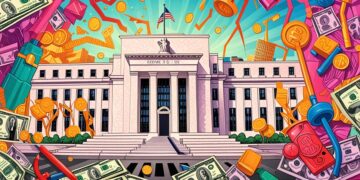
How the Federal Reserve’s monetary policy influences the labor market
The Federal Reserve's monetary policy plays a critical role in shaping the labor market, affecting employment rates, wage growth, and economic stability. By adjusting interest rates and controlling inflation, the Fed influences job creation, spending, and overall economic health, highlighting the intricate connection between monetary decisions and labor dynamics.