
Benefits and Disadvantages of Rewards Credit Cards
Understanding Rewards Credit Cards
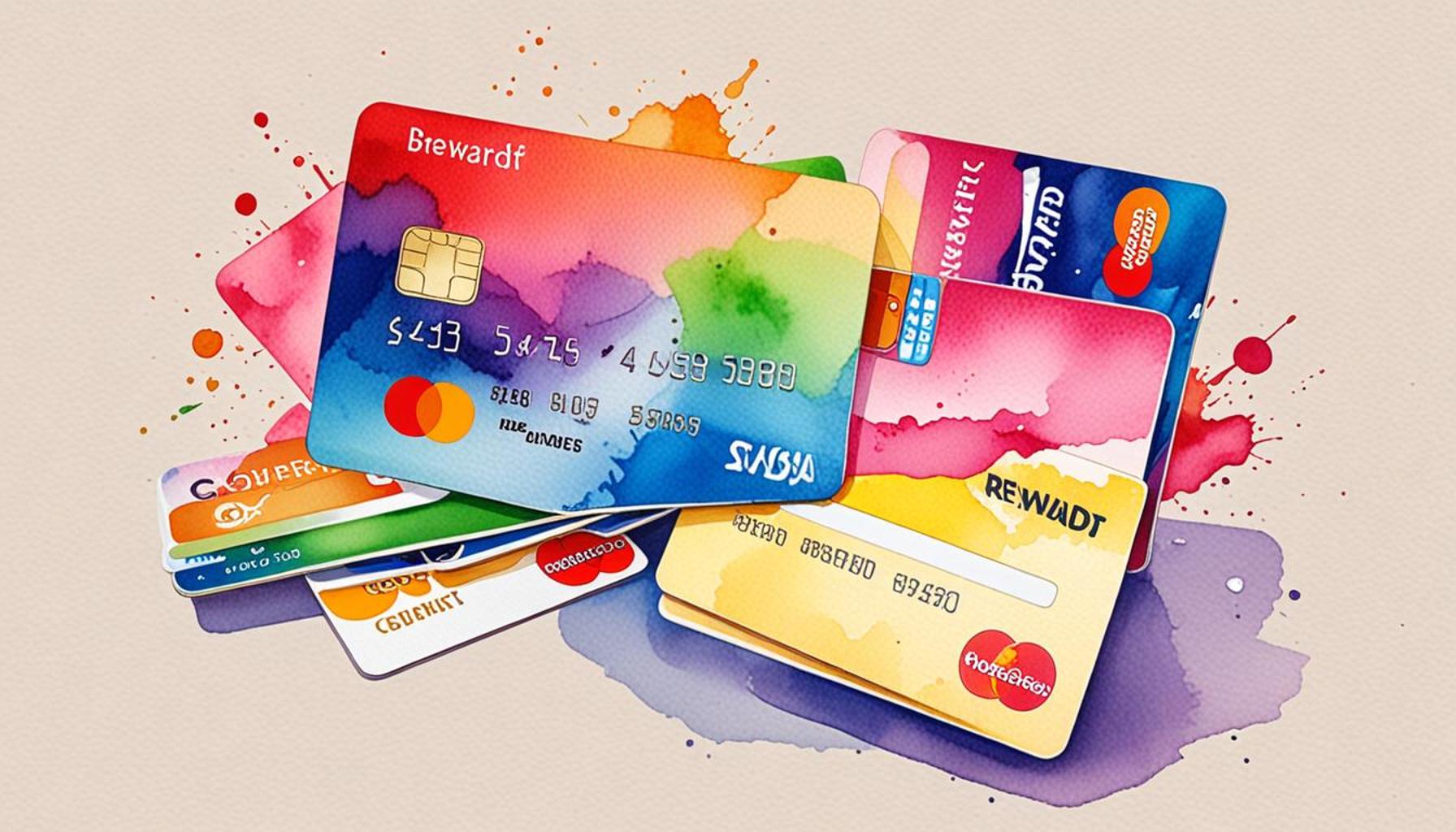
In today’s consumer-driven economy, rewards credit cards have emerged as a favored choice for savvy spenders seeking to maximize their purchases. These cards offer various incentives, such as cash back, travel points, or exclusive discounts, appealing to a diverse range of financial preferences. For many, the allure of earning rewards can transform everyday expenses into opportunities for savings and perks. However, before diving into this financial tool, it’s crucial to examine both the benefits and drawbacks of rewards credit cards.
Key Benefits of Rewards Credit Cards
Among the most compelling features of rewards credit cards are their sign-up bonuses. Many issuers entice new customers with attractive rewards once they meet specific spending thresholds within the initial months. For instance, a card might offer 50,000 points after spending $3,000 in the first three months, which can often translate into a round-trip flight or significant discounts elsewhere.
Another advantage is the flexible rewards structure these cards typically provide. Cardholders can redeem their points or miles for a variety of options, including travel, cash back, gift cards, and merchandise. This versatility allows individuals to choose rewards that best fit their lifestyle, making the rewards program feel personalized and worthwhile.
Moreover, many rewards credit cards enhance the travel experience with valuable perks. For example, some cards offer complimentary airport lounge access, which provides a comfortable space to relax before flights. Additionally, travel insurance and coverage for rental cars can add peace of mind during trips, reflecting how the right credit card can effectively support a traveler’s needs.
Considerations and Drawbacks
Despite their allure, rewards credit cards come with significant drawbacks that potential users should consider carefully. One of the primary concerns is the high interest rates associated with many rewards cards. If a balance is carried over month-to-month, the interest accrued can overshadow any benefits derived from earning rewards. Consumers must prioritize paying off their balances to avoid financial pitfalls.
Additionally, some rewards credit cards charge annual fees, which can be substantial. While many cards offer lucrative rewards, if you fail to utilize those rewards effectively, the annual fee may cancel out any financial benefits. It’s crucial to calculate projected rewards versus fees to ensure the card aligns with your spending habits.
Furthermore, the complex reward structures can confuse consumers. Each card has its own terms for earning and redeeming rewards, including differing point systems and spending categories. Understanding these details is essential to maximize the card’s value and avoid missing out on potential earnings.
Making Informed Decisions
Ultimately, navigating the world of rewards credit cards requires
informed decision-making. By understanding their advantages and associated risks, consumers can better evaluate whether these cards will enhance their financial landscape. Taking the time to compare different offerings and considering personal spending habits can lead to selecting a card that not only suits needs but also opens the door to financial benefits. A thorough examination of how rewards are earned and redeemed can empower consumers to embark on a rewarding financial journey.
DISCOVER MORE: Click here to learn about the impact of payment technologies
Weighing the Pros and Cons of Rewards Credit Cards
As consumers become increasingly savvy about managing their finances, rewards credit cards have captured significant attention for the added value they bring. Earning rewards can fundamentally change one’s approach to spending, but these cards are not without their pitfalls. Understanding both their benefits and disadvantages is vital for making an informed choice that aligns with personal financial goals.
Unlocking Financial Benefits
The landscape of rewards credit cards offers several enticing benefits. Perhaps the most immediate attraction is the prospect of earning cash back or points for expenditures that many consumers are already making. A significant portion of rewards cards allow users to receive a percentage of their purchases back, which can add up quickly over time. For instance, a card offering 1.5% cash back on all purchases means that for every $1,000 spent, cardholders earn $15. This minor perk can turn mundane spending into a lucrative opportunity if employed wisely.
In addition to cash back, many rewards credit cards focus on travel, providing users the flexibility to earn airline miles or hotel points. Frequent travelers often benefit the most from these offerings, as they can redeem their points for discounts on flights, hotel stays, and rental cars—often saving hundreds of dollars per trip. Furthermore, many travel-focused credit cards offer exclusive partnerships with airlines and hotels, enhancing the value of the points earned. For example, a single flight can be substantially discounted or even free if users accumulate enough miles through their spending.
Another alluring feature is the array of categories that rewards credit cards cover. Some cards offer tiered rewards, providing higher percentages for spending in specific categories like dining, groceries, or gas. This specialization allows discerning consumers to earn more based on their shopping habits. Consider the following common categories and typical rewards associated with them:
- Dining: Earn 2-3% cash back on restaurant spending.
- Groceries: Earn 1-2% cash back or points on supermarket purchases.
- Travel: Accumulate bonus points on hotel and flight bookings.
Navigating the Potential Pitfalls
While the benefits are enticing, potential drawbacks warrant careful consideration. A notable concern among users is the potential for overspending due to the reward-driven mindset. The idea of earning cash back or points can lead consumers to purchase unnecessary items or spend beyond their means. Financial experts advise consumers to develop a budget and adhere to it, ensuring that the rewards earned do not come at the cost of financial stability.
Moreover, understanding the specifics of each credit card’s offering is essential, as the complexity of reward structures can confuse even seasoned consumers. Different cards have varying time frames for earning or redeeming points, and failing to grasp these details can lead to missed opportunities. For instance, some points might expire if not used within a specific period, while others may have caps on how much can be earned in certain categories. Evaluating these intricacies is key to maximizing the benefits of any rewards program.
In conclusion, rewards credit cards can be a powerful financial tool for consumers who navigate their benefits and drawbacks wisely. By carefully considering their spending habits and understanding the intricacies of different rewards programs, users can position themselves to reap significant benefits, transforming everyday purchases into rewarding experiences.
LEARN MORE: Click here to discover the impact of monetary policy on the labor market
Understanding Hidden Costs and Long-Term Effects
As consumers explore the world of rewards credit cards, it’s crucial to recognize that not all that glitters is gold. While the immediate benefits of cash back and reward points can transform spending into a rewarding experience, the potential hidden costs associated with these cards can overshadow the perks. One of the most pressing concerns is the annual fees that many rewards cards impose. While some cards offer lucrative rewards without fees, others may charge significant amounts that can eat into your earnings. For instance, if a card offers attractive points but costs $150 annually, cardholders might need to spend thousands just to break even. Thoroughly evaluating whether the reward rewards outweigh the costs is essential to ensure financial prudence.
Credit interest rates further add to the layer of complexity when considering rewards credit cards. High-interest rates can nullify the benefits of cash back or points earned, particularly for individuals who carry a balance from month to month. For example, a cardholder might earn 2% cash back on $1,000 spent, which translates to $20 back. However, if the card has an interest rate of 20% and the balance is not paid off, the interest charged can quickly balloon, erasing any perceived financial gain. Keeping an eye on the interest rates is crucial for anyone considering a rewards credit card.
Maximizing Rewards With a Strategic Mindset
Furthermore, it’s important to consider the ever-evolving landscape of a rewards program. Many popular cards are constantly updating their offerings, which can be both an advantage and a source of confusion. Rewards programs may change the categories eligible for cash back or points, making it necessary for consumers to remain vigilant and informed. For example, a card might initially provide 3% back on groceries, but if that changes to 1% without notice, users who fail to adjust their spending habits could miss out on maximizing potential rewards. Being proactive about understanding program changes is key to benefiting from a rewards card.
Finally, one of the often-overlooked disadvantages lies in the mental accounting effect of rewards cards. Some consumers might perceive spending with a rewards credit card as less painful than cash or debit, leading to an overspending mentality—what psychologists refer to as the “pain of payment” reducing when using credit. This can lead to a cycle where individuals spend unnecessarily to chase rewards, such as dining out more often or purchasing items they do not need purely for the sake of earning cash back or points. Such behavior can inadvertently sabotage efforts to maintain a healthy financial balance.
- Yearly Spending Requirements: Some cards may also require a certain amount of spending to qualify for bonus rewards, creating pressure to spend more than originally intended.
- Limited Redemption Options: Certain cards may restrict how and when rewards can be redeemed, limiting flexibility for users looking to maximize value.
In summary, while rewards credit cards can offer considerable advantages for savers and savvy spenders, they come with specific challenges. By understanding both the hidden costs and potential behavioral impacts, consumers can make informed decisions that transcend traditional spending habits, ultimately aligning credit card usage with broader financial wellness. The ability to navigate these waters requires diligence and strategic planning, but those who succeed may find themselves reaping the rewards in ways that enhance their financial health.
DISCOVER MORE: Click here to learn about the influence of social media on financial information
Weighing the Pros and Cons
In conclusion, rewards credit cards present both enticing benefits and notable disadvantages that require careful consideration. The potential for cash back, travel points, and other perks can significantly enhance the spending experience, making everyday purchases feel more rewarding. However, the hidden costs, including annual fees and high interest rates, can quickly negate these advantages, particularly for those who may not pay off their balance in full each month. Consumers need to ask themselves: Is the effort of maximizing rewards worth the potential pitfalls?
Moreover, the psychological implications of rewards spending should not be underestimated. While these cards can encourage smart spending habits when used strategically, they can also lead to overspending driven by the allure of rewards. This phenomenon, often referred to as mental accounting, can pose significant risks to financial health and budgetary goals.
Ultimately, navigating the rewards credit card landscape is about balancing immediate benefits against long-term financial costs. Individuals must diligently analyze their spending patterns, stay informed about ongoing program changes, and assess their personal financial health to make informed decisions. For those who take a strategic and cautious approach, rewards credit cards can be a valuable tool in enhancing one’s financial journey. However, should consumers choose to engage with these cards, understanding the inherent risks and actively managing their credit usage is essential for maximizing benefits while minimizing drawbacks. The journey starts not just with a card application but with a commitment to smart financial practices that empower individuals to make the most of their spending.
Related posts:
How to Apply for Emirates Skywards Premium World Elite Mastercard
Apply for Delta SkyMiles Platinum Amex Credit Card Step-by-Step Guide
The Best Credit Cards to Build Credit in the USA
How to Choose the Right Credit Card for Your Financial Needs
How Credit Card Rewards Programs Influence Consumer Behavior
How to Apply for Firstcard Secured Credit Builder Card Easy Steps

Linda Carter is a writer and financial expert specializing in personal finance and financial planning. With extensive experience helping individuals achieve financial stability and make informed decisions, Linda shares her knowledge on the Virtual Tech Dicas platform. Her goal is to empower readers with practical advice and strategies for financial success.